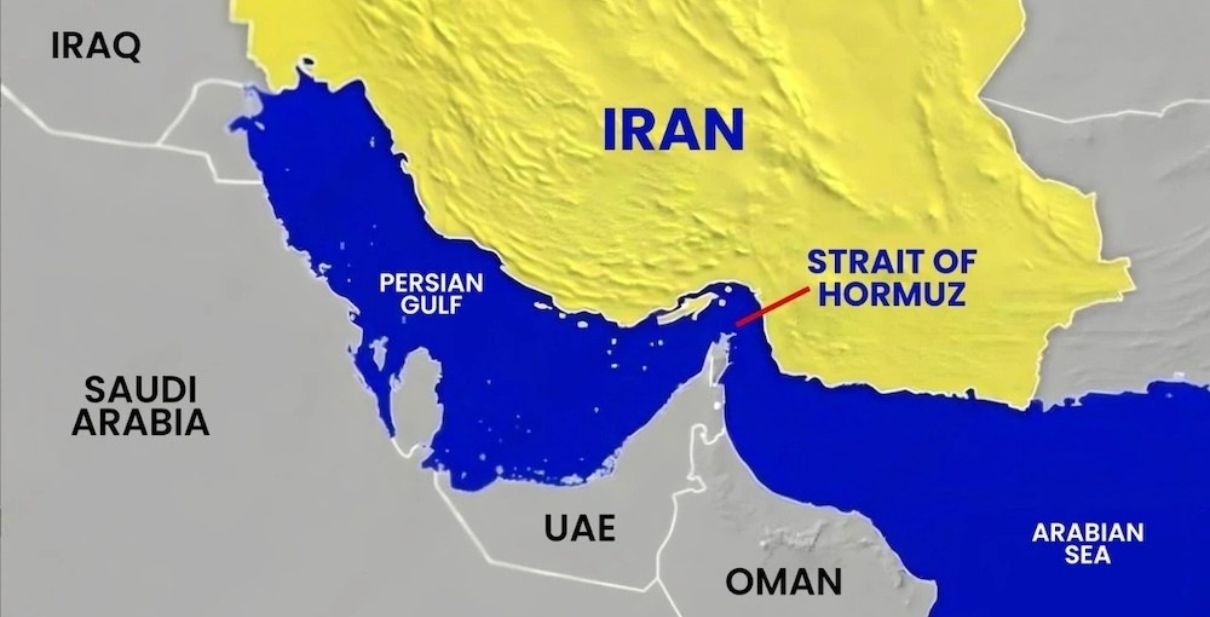
The Strait of Hormuz i s one of the most critical chokepoints in the global energy supply chain. This narrow sea passage, located between Iran and Oman, connects the Persian Gulf to the Arabian Sea and carries a significant portion of the world’s oil and LNG trade.
For countries like India, the importance is even more pronounced. India imports nearly 85% of its crude oil requirements, and more than half of this supply passes through this single route. Any disruption here is not just a geopolitical issue; it’s an economic trigger.
What’s Happening Right Now?
The current situation has escalated beyond routine geopolitical tension. Iran has effectively moved toward a “controlled passage” system, where ships are increasingly required to share cargo and crew details and, in certain cases, pay for transit.
Even without a full blockade, the impact is already visible:
- Shipping risks have increased.
- Insurance premiums have surged.
- Freight costs are rising.
- Vessel traffic has declined.
In global energy markets, even a partial disruption in such a critical route is enough to cause sharp price reactions.
The Direct Impact on India
For India, oil is not just a commodity—it’s a macroeconomic variable.
Every $1 increase in crude oil prices raises India’s import bill by approximately $1.8–2 billion annually.
Brent crude has surged from ~$70 to ~$126 per barrel.
The ripple effect touches fuel, logistics, manufacturing, and ultimately consumer inflation.
At the same time, a widening current account deficit puts pressure on the Indian currency. As of late April 2026, the rupee has weakened past ₹95 per USD, amplifying imported inflation further.
This creates a dual challenge:
- Higher input costs across the economy
- Currency depreciation adding to inflationary pressure
How Have Equity Markets Reacted?
In the short term, markets don’t like uncertainty and this event is a classic example.
Both the Nifty 50 and Nifty 500 have shown heightened volatility during this period.
Typical market reactions observed:
- Initial correction driven by panic and risk-off sentiment
- Sectoral divergence:
- Oil marketing companies, aviation, and paint companies face pressure due to rising input costs
- Upstream oil companies and energy exporters tend to benefit
- Mid and small caps (captured in Nifty 500) generally see sharper drawdowns due to higher risk perception
What Should Investors Do Now?
This is where discipline matters more than intelligence.
As advisors, our stance remains consistent: events like these test behaviour, not portfolios.
1. Avoid Reactionary Decisions
Sharp market moves can tempt investors to exit equity. Historically, such exits tend to lock in losses and miss eventual recoveries.
2. Stick to Asset Allocation
If your portfolio was aligned to your goals before this event, it does not need a structural change because of it. Tactical noise should not derail strategic allocation.
3. Use Volatility Constructively
For long-term investors, volatility is not a threat, it is an entry opportunity. Systematic investments (SIPs/STPs) naturally take advantage of this.
4. Focus on Time in the Market, Not Timing the Market
Trying to predict geopolitical outcomes is not a sustainable investment strategy.
The Bigger Perspective: Why Long-Term Investors Should Stay Calm
If we step back, events like these are not new.
Markets have navigated:
- Wars and geopolitical conflicts
- Oil shocks
- Currency crises
- Global recessions
And yet, over the long term, equities have continued to compound wealth. The reason is simple:
- Businesses adapt
- Economies recalibrate
- Prices eventually reflect fundamentals
- Short-term volatility may impact returns temporarily, but it does not alter the long-term growth trajectory of well-diversified equity portfolios.
The situation in the Strait of Hormuz is a reminder of how interconnected geopolitics and financial markets are. However, as investors, the goal is not to react to every global event—but to stay anchored to a well-thought-out financial plan.
Uncertainty is permanent. Discipline is optional.
Those who choose discipline are the ones who benefit from long-term compounding.
Conclusion
Retirement planning isn't about finding the "best" product—it's about making the right choices, consistently, over time. EPF, PPF, and NPS are not competing options; they are complementary tools.
Used thoughtfully, they can help you build not just a retirement corpus, but the confidence and financial independence to enjoy it.
If you're unsure how to approach your investments in current market conditions, feel free to connect with us at +91 93270 34882 or write to celebratinglife@ascentsolutions.in
Sources – SBI Securities, National Savings Institute