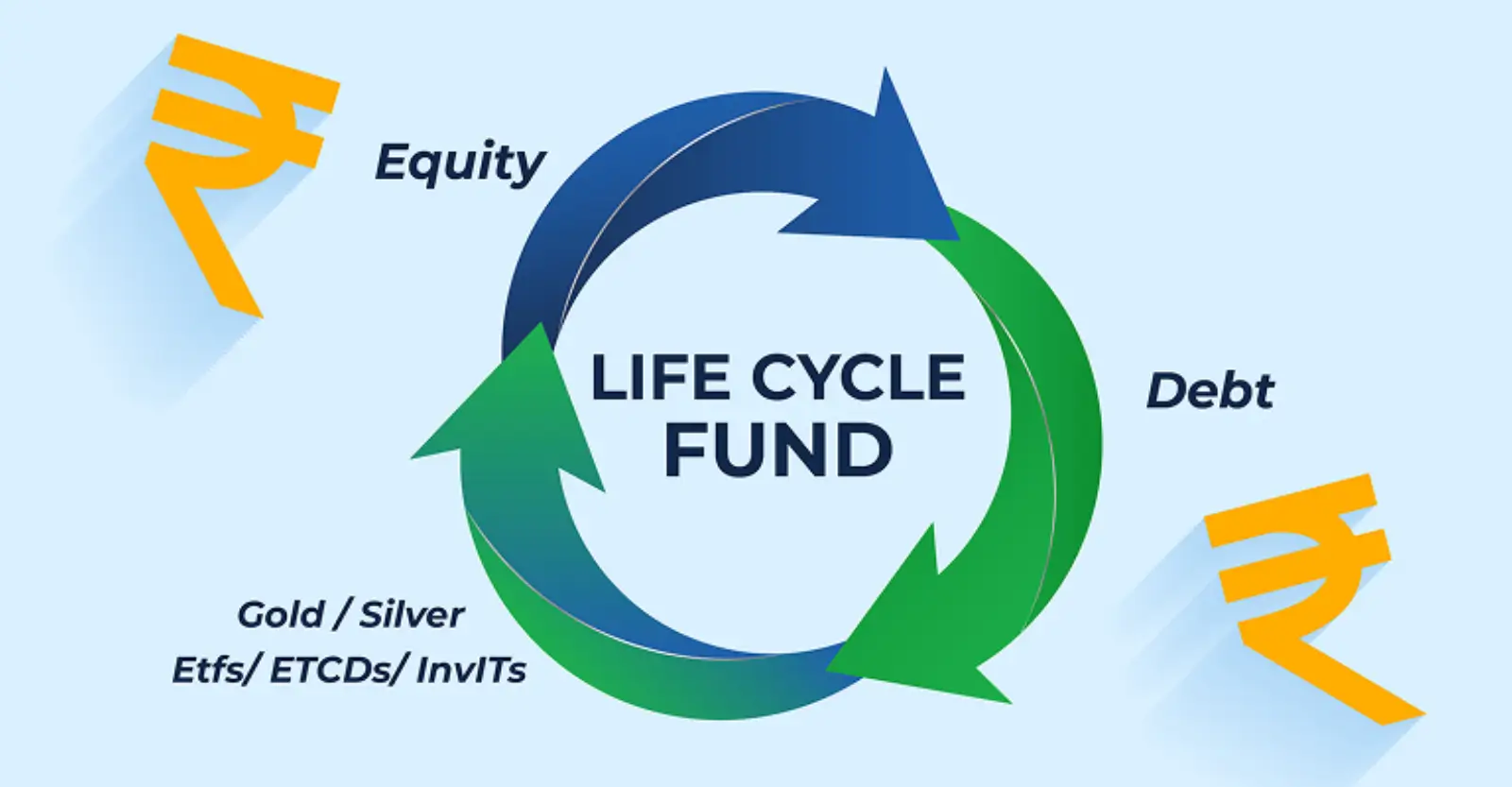
In the world of investing, simplicity is often seen as a virtue. Over the last few years, Lifecycle Funds have gained popularity globally as an easy and automated investment solution for individuals who want their portfolio to evolve as they age. In February 2026, SEBI introduced Life Cycle funds, replacing solution-oriented funds (retirement/children). While these funds certainly bring convenience, an important question remains: “Can they truly replace the role of a financial advisor?”
What are Life cycle Funds?
Life cycle Funds, also known as Target-Date Funds, are investment products designed to automatically adjust their asset allocation based on the investor’s age or target retirement year.
The idea is simple:
- When you are young, the fund allocates a larger portion to equity, aiming for higher growth.
- As you approach retirement, the allocation gradually shifts toward debt and safer assets, reducing volatility and protecting capital.
For example, a 30-year-old investor may have75% – 80% equity exposure, while someone nearing retirement may have 20-30% equity and the rest in debt instruments.
Life cycle funds are therefore positioned as “set-it-and-forget-it” investments, making them appealing for investors who prefer automation.
How Life cycle Funds Can Help Investors?
- Automatic Asset Allocation Investors do not need to manually rebalance their portfolios. The fund gradually adjusts the equity-debt mix over time.
- Simplicity for Beginners For individuals who are new to investing or do not want to actively manage their portfolios, lifecycle funds offer a structured approach.
- Behavioural Discipline Because allocation changes are rule-based, investors are less likely to make emotional decisions during market volatility.
- Long-Term Orientation Lifecycle funds encourage investors to stay invested for long-term goals like retirement.
But Investing Is More Than Just Asset Allocation
While lifecycle funds solve the problem of automatic rebalancing, they cannot fully address the broader complexity of personal financial planning.
Every individual’s financial life is unique.
A financial plan is not built merely on age, but on factors such as:
- Income stability
- Existing assets and liabilities
- Family responsibilities
- Risk appetite
- Tax considerations
- Liquidity needs
- Multiple financial goals
Two people of the same age may have completely different financial realities. А standardized glide path cannot capture these nuances.
Why Financial Advisors Retains Their Importance
A professional financial advisor does far more than selecting investments.
1. Goal-Based Planning
2. Personalised Asset Allocation
3. Behavioural Coaching
4. Tax and Structural Planning
5. Dynamic Decision Making
Life cycle Funds: A DIY Tool, Not a Complete Solution
Life cycle funds can certainly be a useful tool within a portfolio. They simplify asset allocation and encourage disciplined investing.
However, they operate on generic assumptions about investor behaviour and financial journeys.
Financial planning, on the other hand, is inherently personal, dynamic, and behavioural.
A lifecycle fund can manage asset allocation, but it cannot replace judgment, personalization, and guidance.